
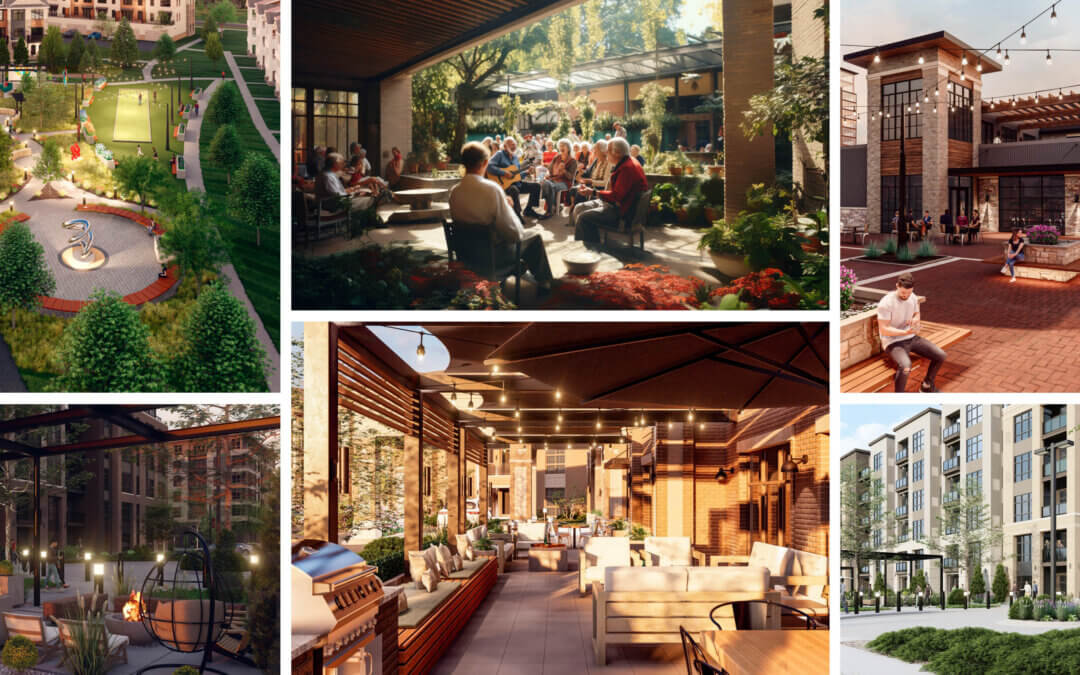
At AG, instilling a sense of community is a fundamental design principle of our commitment to—Bright Vision. Bold Communities. Whether exploring mixed use or multifamily developments, refreshing a senior living master plan, or introducing a university housing project, the ability to foster connectivity and meaningful experiences provides a true measure of architectural success. We help communities thrive.
In an era of cultural separation and digital disconnect, the spaces outside of home and work have become more important than ever. That’s where we, as architects, can support a community’s mission to reconnect and repair the separation. From a detailed program of distinct destinations to in-between spaces that promote spontaneous interactions, our design intent is to encourage communal bonding, camaraderie, and conversations.
Impactful Architecture
Architecture has the power to unite or divide people. While health concerns and other circumstances sometimes present compelling reasons to create physical barriers, these situations also demonstrate the harmful effects of a lack of socialization. Furthermore, as technology has opened us to global exposure, what seemingly expands our network also exponentially challenges us socially. As a result, the Third Place and Third Space concepts continue to be topics of conversations, organizational calls to action, and drivers of successful design.
Third Place, as defined by American sociologist Ray Oldenburg in The Great Good Place (1989), is a place outside of the home (the first place) and the workplace (the second place) where people go to connect with others. Due to the significance of this topic, Oldenburg’s long-time collaborator Karen Christensen is releasing a sequel to the book in October 2025, called The Great Good Place Revisited: Havens and Hangouts at the Heart of Community. “It explains how third places – cafes, diners, coffee shops, tea parlors, hair salons, barber shops, pubs and taverns, taquerias, libraries, bookshops, and street corners – have a vital role to play in solving the big challenges of climate change, loneliness, and political polarization.”
Indian scholar and critical theorist Homi K. Bhabha’s Third Space further emphasizes the need for cultural hybridity. In other words, spaces for cultural interactions—the literal and figurative space where people of different identities and cultures can learn and grow from each other.
Today, consumers of all ages are raising expectations of a sense of place. They are redefining design standards for home, work, and the spaces they choose to spend free time. In addition to looking for a deeper commitment to sustainability, they are looking for more social engagement, from places to feel connected with others to opportunities for deeper cultural understanding and awareness.
As we collaborate with developers, providers, and organizations to create solutions that respond to market demands, programmatic needs, brand promises, and site constraints, we apply Third Space principles. We continue to move beyond site boundaries and project walls, blurring lines and using the power of planning and architecture to create layers of experiences that strengthen community ties.
Inclusive & Accessible
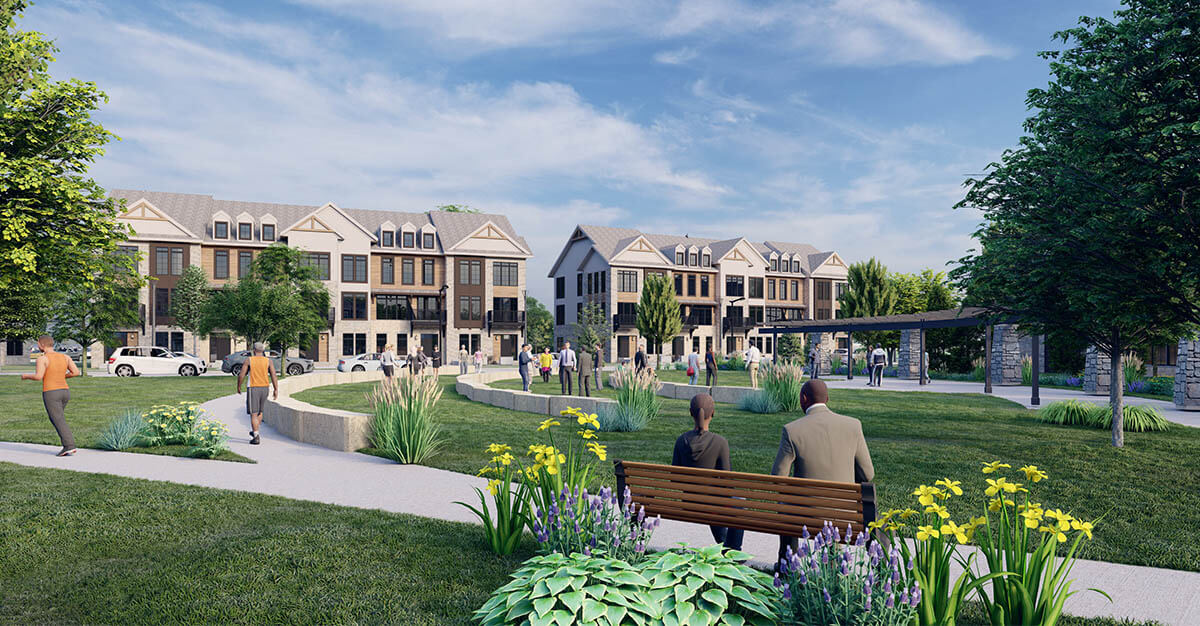
As senior living specialists, accessible design is embedded into our solutions. However, beyond creating spaces that support aging in place, we need to leverage barrier-free access to better support individuals of all backgrounds, ages, and abilities. Designing for accessibility and inclusivity considers everything from ramps, elevators, and restrooms to wayfinding and furniture, as well as the role design plays in prioritizing affordability over exclusivity. During a recent master planning effort, our team was challenged to create a greenhouse and garden experience that was fully accessible for individuals with mobility challenges. This request directly influenced the location, materials, and layout of the space—ensuring it remained a welcoming, engaging environment for all residents, regardless of ability.
Are you committed to creating welcoming spaces for all?
Flexible & Adaptable
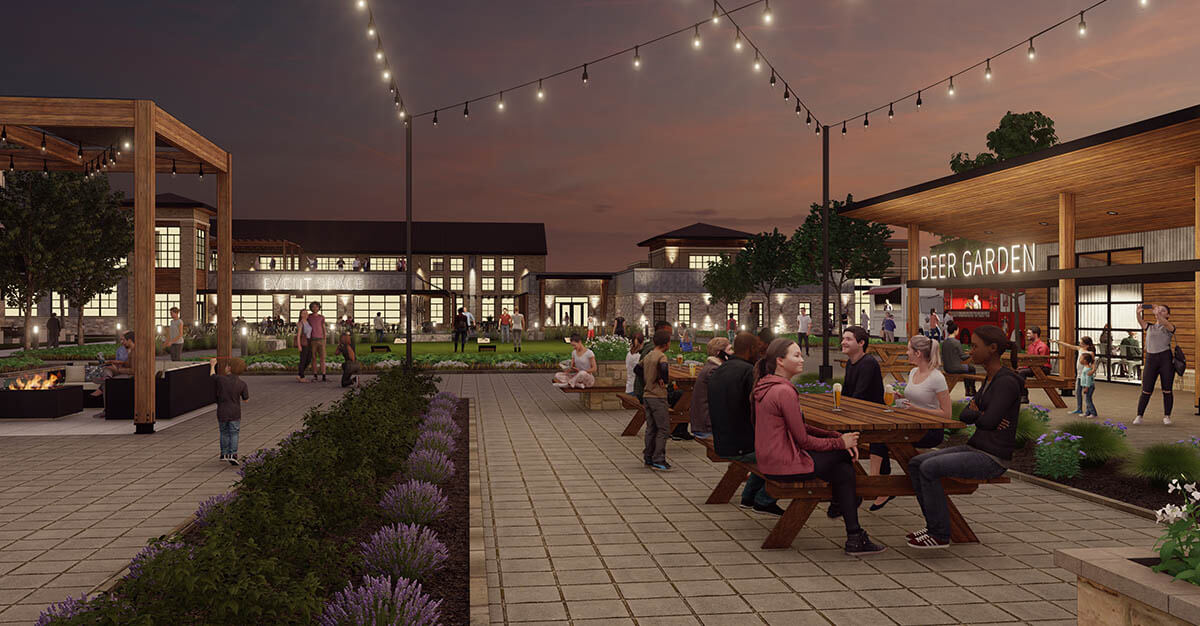
While we often create defined destinations in communities, such as fitness areas or dining venues, there is something to be said for designing more flexibility and adaptability into designated spaces and general gathering areas. As developers and architects, we don’t always have to tell people how to use space. By creating open layouts and rooms that support multiple uses with modular furniture, movable partitions and indoor-outdoor connections, we provide freedom and choice. When people can make a space their own, it deepens their sense of place and allows them to accommodate different groups and activities. These types of environments are known as Belonging Zones with spaces intentionally designed to invite connection, personalization, and inclusion. Flexible and adaptable design considerations within these spaces further expand the possibilities of every use, enriching the overall experience while keeping the design fresh and relevant.
How can you support more flexibility and adaptability in your development plans?
Comfortable & Hospitable
Warmth, comfort, and safety—these are feelings we strive to evoke in the communities we serve. From the master plan and architectural details to the final interior design, people should feel welcomed and at home. As designers, the materials selections and specifications we make set the tone. From controllable light levels, acoustic considerations, and natural, textural materials to a variety of seating and settings, our choices impact all of the senses. Are we creating spaces that soothe or overstimulate? And as owners and providers, you play a role too. Cleanliness and maintenance, service offerings, and your staff all contribute to making an environment inviting.
What standards do you want to set for comfort and hospitality?
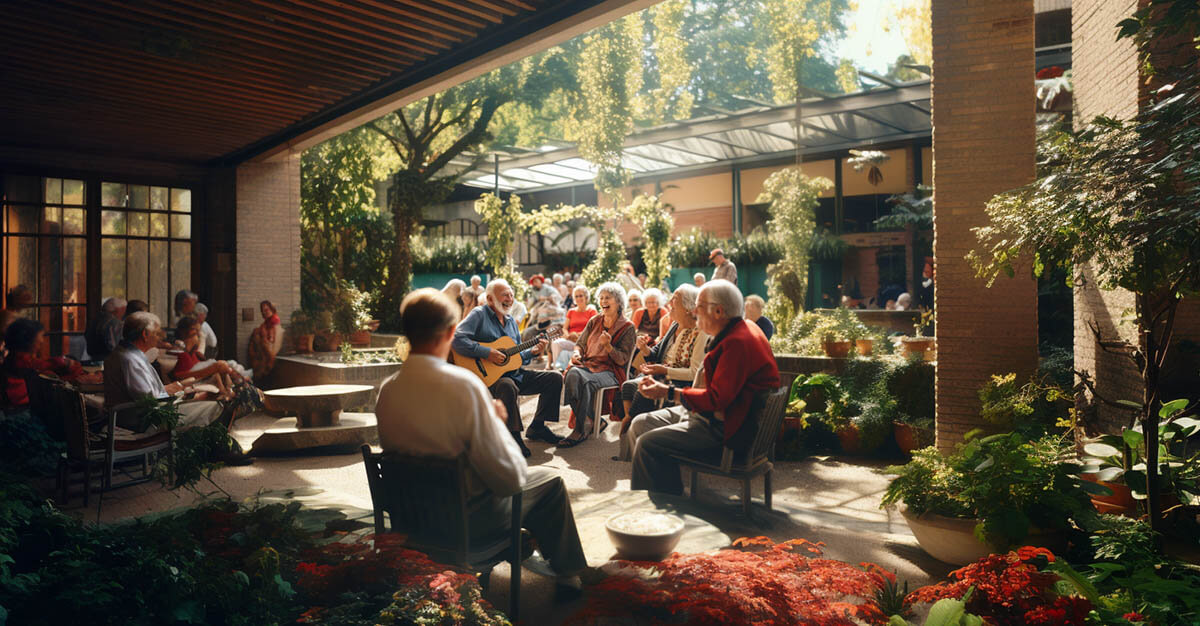
Places to Foster Social Interactions & Community Engagement
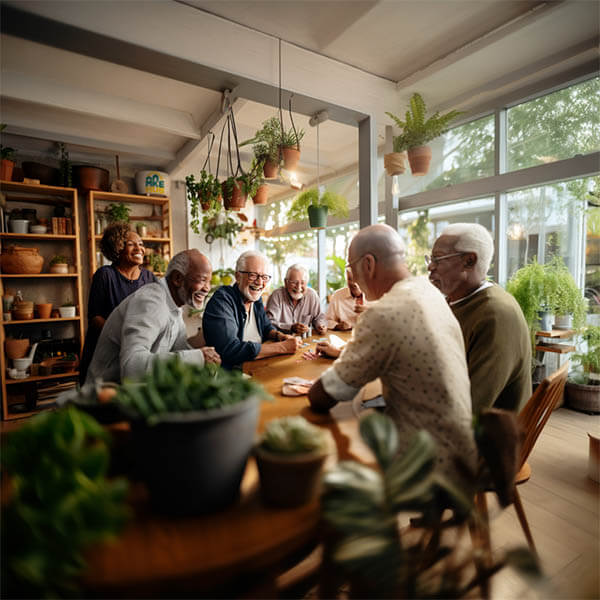
To successfully create spaces to strengthen a sense of community, you need to understand and listen to the people it serves. Are you approaching the design process with an open mind, cultural sensitivity, and empathy? While you may be regarded as experts or have completed other successful projects, simply applying previous lessons learned is not the same as unbiased engagement. Be ready, willing, and able to listen and learn with a clear mind and fresh lens so the design truly reflects the community. A collaborative design process gives the community a voice in the programming process. Can they see how their input is informing design decisions?
Beyond the process, the space must be designed for different types and levels of engagement. In addition to being inclusive, accessible, flexible, adaptable, comfortable, and hospitable, these environments need to be high-tech and human-centered. These are the kinds of spaces that define Belonging Zones, spaces designed not just for the function of the intended program but to foster socialization, pride, and a sense of ownership. However, success goes beyond the design solution to the event planning, communication, marketing, and partnerships that invite people in to engage and participate.
How can you foster connectivity and engagement?
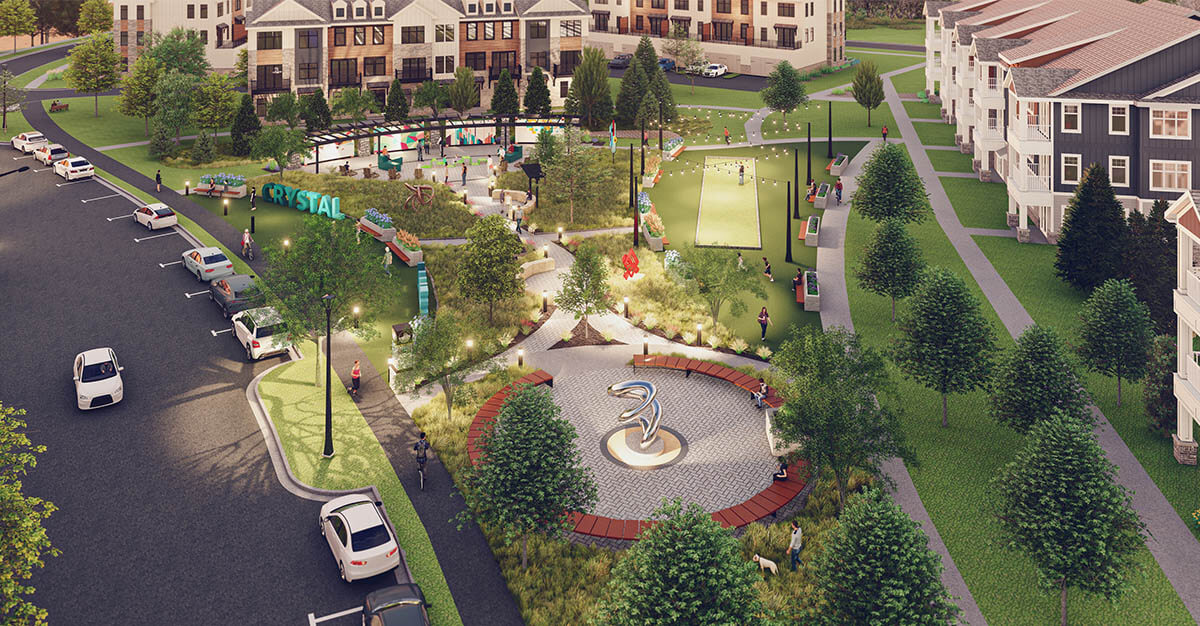
Sense of Community – Integrating Belonging Zones Throughout
For those wondering how to realize Third Place and Third Space concepts in their projects, consider how the following areas and amenities can support a more inclusive experience, reaching beyond your project boundaries to deepen community ties.
- Community centers
- Co-working spaces
- Libraries
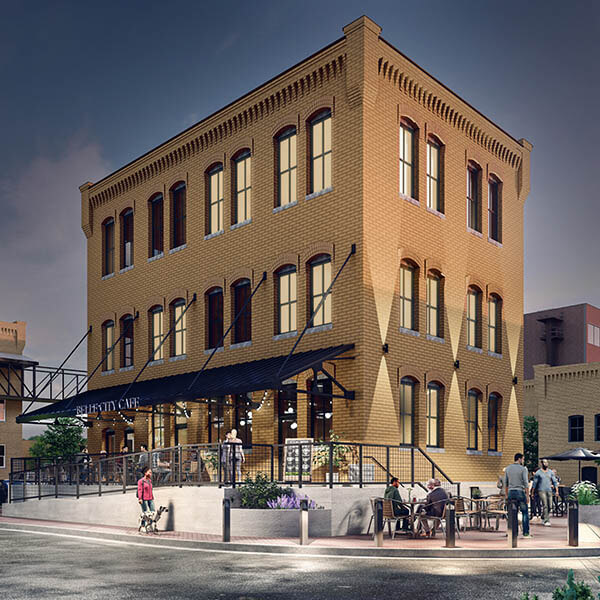
- Cafes/Coffee shops
- Pedestrian walkway
- Protected bike lanes
- Active rests
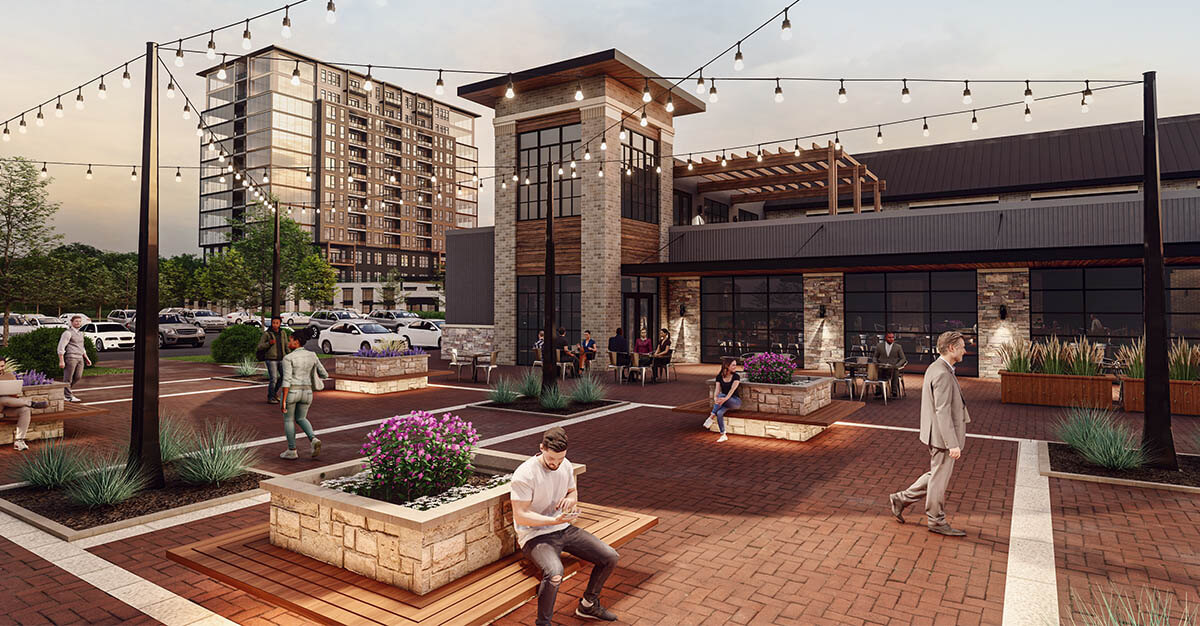
- Parks and plazas
- Playgrounds
- Chess/checker tables
- Lawn games
- Food truck park
- Communal seating
- Gardens for planting
- Rain gardens
- Photoworthy backdrops
What social and cultural priorities will be standards for your next project?
Resources
- Learn more about Third Place and the release of The Great Good Place Revisited: Havens and Hangouts at the Heart of Community
- Explore an overview of Homi K. Bhabha’s Third Space Theory