
With an eye toward the future, the leadership of Plymouth Place Senior Living recognized their marketplace was changing. New competition was coming into the market, their product was aging, and most importantly, they were seeing a shift in the goals and desires of prospective residents. The master planning team was tasked with creating a phased plan that would revitalize their existing campus while introducing housing options attractive to an evolving consumer base.
AG’s Programmatic Approach Reveals Priorities
From investing in a market study and strategic planning initiative to engaging Eventus Strategic Partners as a planning and development consultant, Plymouth Place was committed to future-focused collaborative planning. As one of the selected team members, AG guided the community through an in-depth master planning process.
After reviewing the existing site and building conditions, the design team began working with Plymouth Place’s east campus task force. This group of existing residents, local stakeholders, and select board members brought different perspectives to the master planning process. Based on the unique insights of the task force, the planning team was able to craft an informative series of focus groups with several key interest groups—families of existing residents, operational department leaders, and future residents. The initial campus review, market study, and focus group information resulted in a charrette which produced a series of design principles that would later guide the remainder of the master planning exercise.
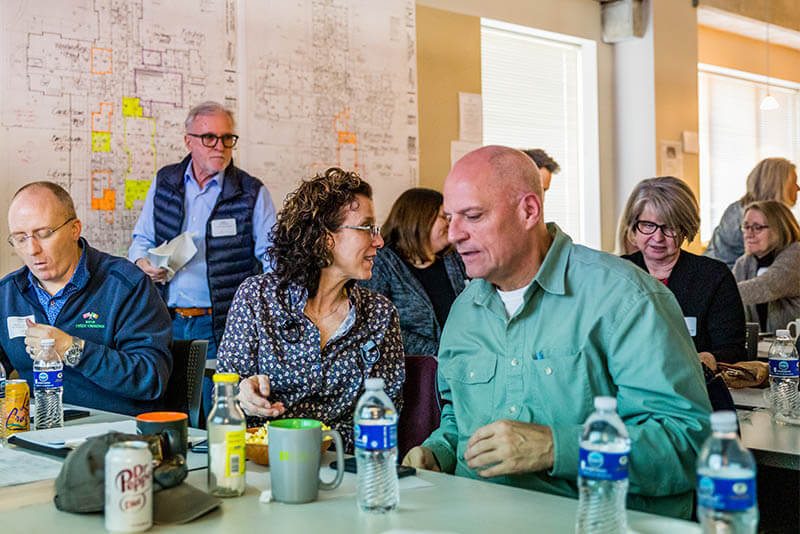
“When I got involved, there was no real preconceived notion for a master planning solution, other than replacing some old product,” says Daniel Collins, President of Pandion Development Management, LLC (previously with Eventus, the development company of record for the project.) “We didn’t know exactly what we wanted to do just yet. It took the board, focus groups, and a variety of different things to get us to the right solution. The process uncovered that we needed a health and wellness-focused program to attract a younger demographic.”
In order to engage existing residents and attract a younger senior demographic the master plan needed to focus on choice, housing options, wellness, and hospitality.
Design Highlights
The collaborative process revealed design priorities for the Plymouth Place project. The following design principles informed the master plan development.
- Effectively integrate the campus into the surrounding community.
- Create a pedestrian-friendly experience.
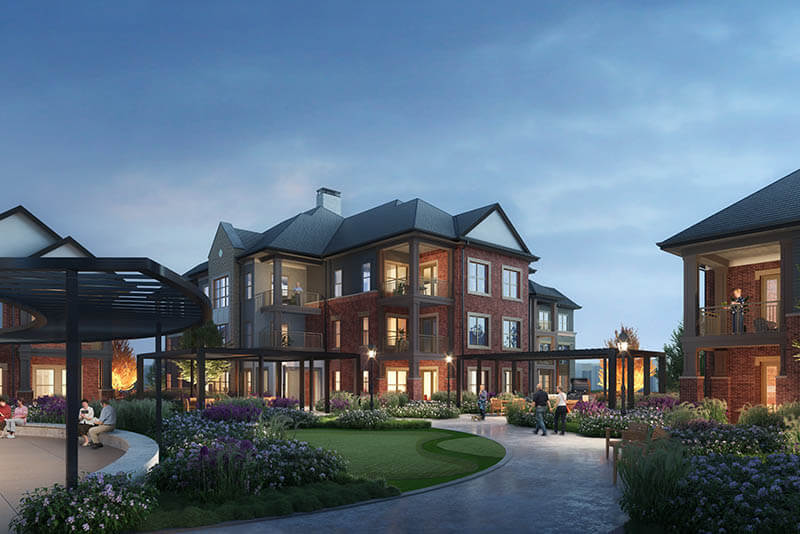
- Activate the public way with a series of uniquely designed villas.
- Reflect Chicago’s signature brownstone and row house residential typology.
- Thoughtfully address the scale of new residential components to provide the necessary density while being a differentiator from the former cottages and existing tower.
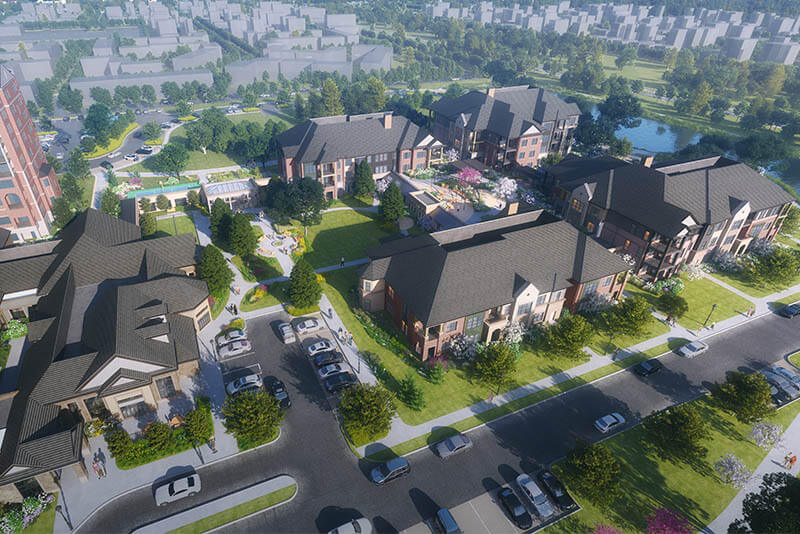
- Arrange the site to leverage indoor and outdoor activities and enhance the spaces between the buildings as much as the destinations within.
- Establish a distinct connection to the Georgian architectural style of the campus.
- Provide a new commons experience centered around resident choice.
- Evoke a club atmosphere.
- Reimagine dining options.
- Celebrate wellness features.
- Provide engaging lifelong learning opportunities.
A Phased Implementation
While building consensus around an approved design is an important milestone in the master planning process, determining how to phase the implementation plays a key role in the overall success of the planning efforts. In the case of Plymouth Place, garnering excitement with existing residents was critical. Like many communities, it is important to avoid creating an “Us vs. Them” feeling with the addition of new community components.
Phase 1 – Rejuvenating the Existing Commons
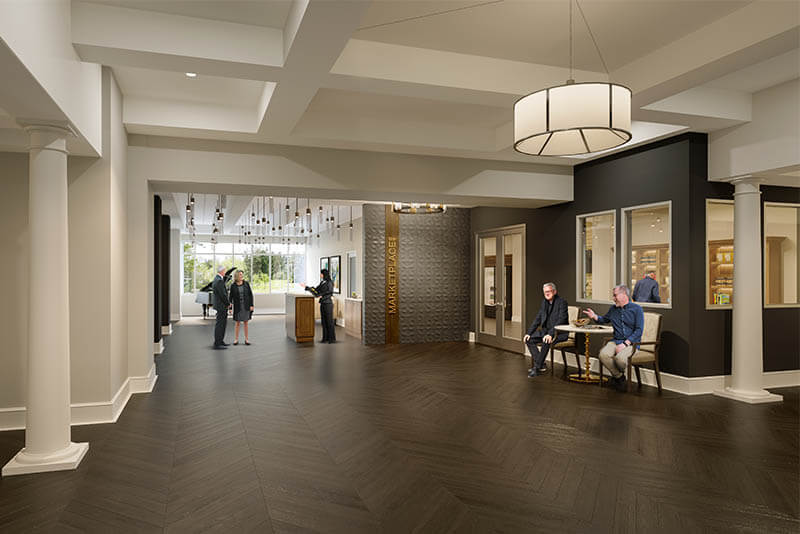
Prioritizing renovations in the existing commons proved to be a powerful internal marketing strategy. This allowed current residents to see and feel an immediate benefit. The open concept provided an amped up amenity offering to enhance daily living for the existing residents. Due to the location of the building, this also allowed the team to make strategic space planning adjustments to support future phases of the project and address important operational improvements.
Phase 2A – Highly Marketable Villas & A Clubhouse
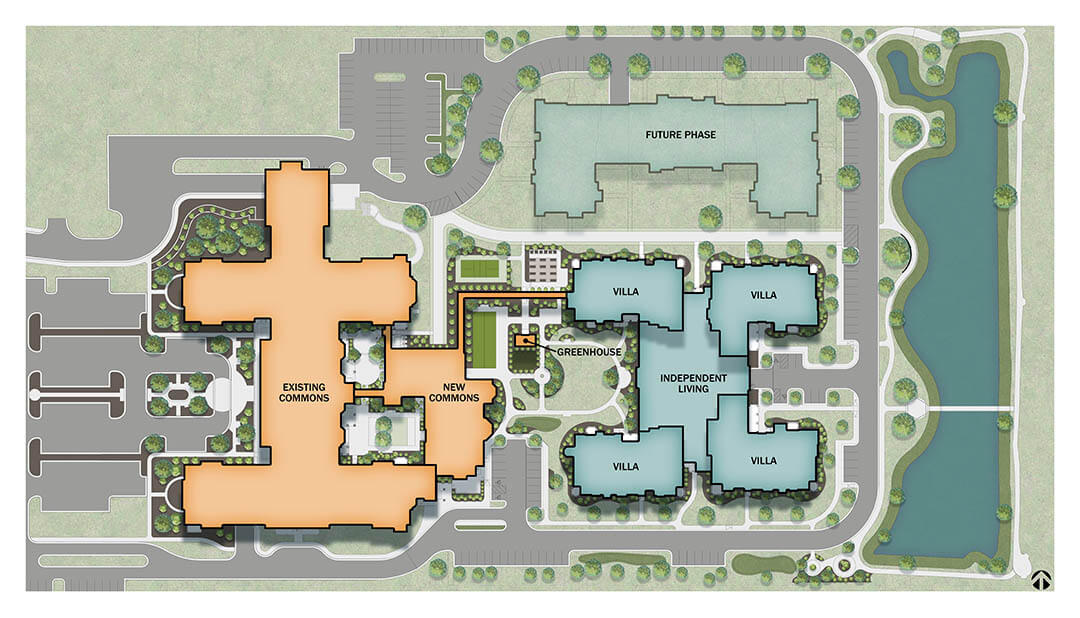
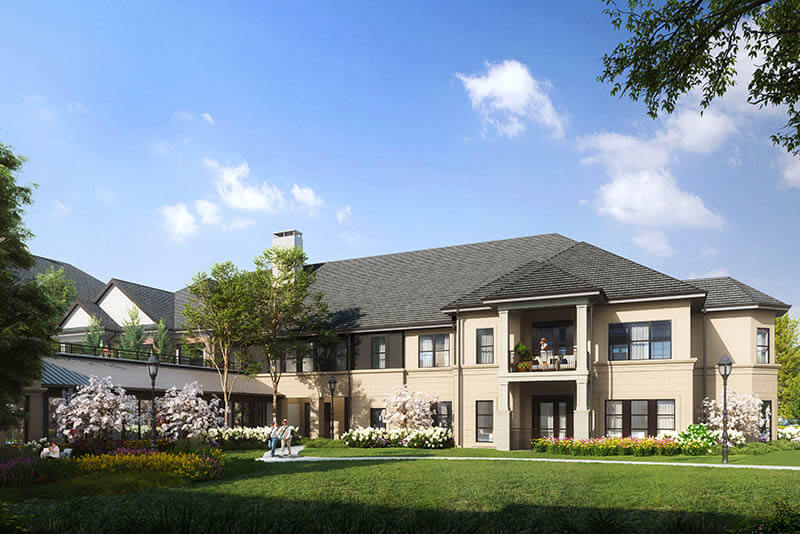
The team was committed to evolving the villa concept on campus in order to introduce a desirable housing option to appeal to a younger senior demographic. The team pushed each other to prioritize the strengths of the concepts being explored and find more efficiencies. This included achieving the familiar Chicago townhome architectural aesthetic. In the end, the Arboretum Villas offer a variety of marketable plans and features and a strong connection to a new clubhouse.
“The financial planning for the residential component of this project had some additional considerations. The unique villa concept was paired with multiple contract alternatives to attract a younger senior. These enticing options contributed to the marketing success of the Arboretum Villas,”— Alan Wells, President | Eventus Strategic Partners
The master plan introduces a clubhouse—The Center of Healthy Living—as a main connector. It further diminishes the Us vs. Them mentality as a wellness-focused amenity for ALL. The clubhouse features a variety of dining venues and culinary experiences and an increased wellness component, including an aquatic center, lifelong learning spaces, a greenhouse, and outdoor amenities.

Phase 2B – Taking Advantage of Reallocated Space
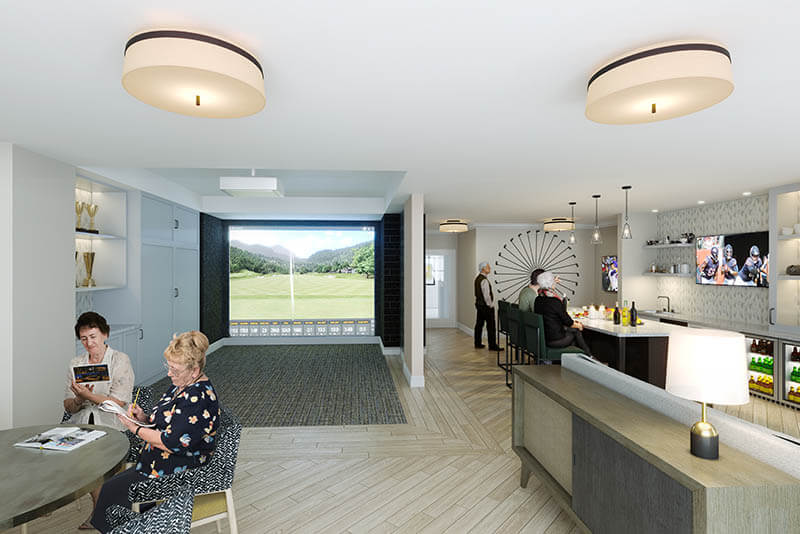
Based on the Phase I efforts and Phase 2A additions, the team continues to breathe new life into the existing commons by reallocating space. More flexible, open spaces allow the community to adapt to meet the wants and needs of residents. Furthermore, the completion of these areas will achieve an aesthetic cohesiveness—a consistent look, feel, and ambiance across the campus.
This phase is also providing the team an opportunity to evaluate the success of the previous phases. Understanding the realities of daily use will inform What’s Next in the planning initiatives.
Key to Success – Resident Engagement & Marketing
“The proof of the success that we had the right product for the right market happened after we started Phase 2A,” says Jay Biere, CEO & President of Plymouth Place Senior Living. “We were able to raise significant dollars for a number of special projects. This shows that our people recognized the value in what we were creating and wanted to physically and financially be a part of it.”
The planning team emphasizes the importance of resident engagement to the overall project success. They carefully considered and strategized how to keep residents happy and engaged, the board informed, and garner support. Initiatives included:
- Fireside chats
- Presentations at annual meetings
- Partner meetings
- Special founders tours
- Town Hall meetings
- 8th floor skyline lounge construction viewings
- A 24/7 construction camera
- A special website
- A marketing podcast
Important tools for attracting new residents included:
- Marketing flyovers and animations for engaging and enticing marketing collateral.
- A Design Center for residents to enjoy one-on-one design attention to explore customization options.
“Our market focus groups voiced the desire for flexibility, options, and choices, so it was important to address the market demand for customization,” says Collins. “Thanks to our project partners we responded with the tools needed to support it.”
In addition to residents contributing significant dollars to support aspects of the project, Biere references another reason to prioritize resident engagement. “25% of the people moving in are referrals from existing people. Your residents are your greatest salespeople. Don’t underestimate the power of the residents.”
Is your community looking to be Master Planned and Poised for Success? Learn more about AG’s process.