
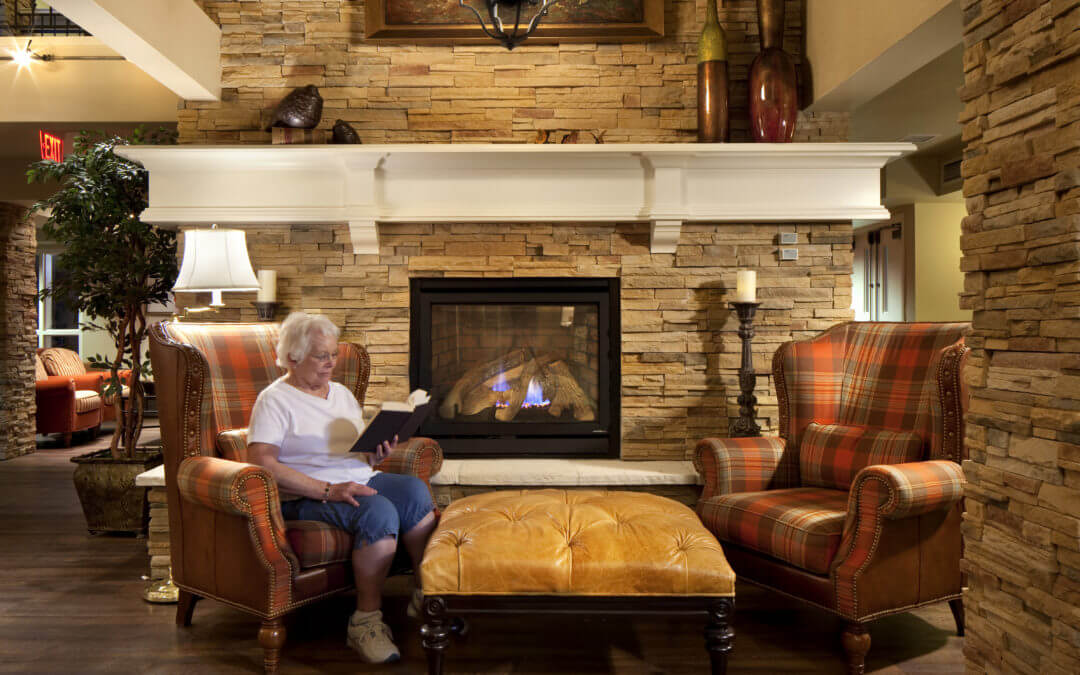
New technology helps communities balance resident comfort with energy conservation by delivering remote control convenience and energy usage data from resident room thermostats.
Many parts of the country have felt the early and harsh arrival of winter weather this year. Hopefully all the preparations have been made for the change of season before the snow fell. Outdoor furniture and yard decorations were brought inside, storm windows have been set, weather stripping was checked and the outside water was turned off. Maintenance tasks should have also included checking furnace filters and heating equipment. The temperature has plummeted, and now it’s time to crank up the heat. What’s the optimum thermostat setting? What type of device is controlling that setting, and is it costing more than it should to operate?
Winter can be a dangerous time for older adults. Cold temperatures outside and indoors can put them at risk. Slowing metabolisms, diminished activity levels, poor blood circulation and even side effects of their medications can lead to cold hands, feet, and noses. Physiological issues can be compounded by a frugal mental attitude where some seniors would rather bundle up with another layer instead of simply turning up the heat a few degrees. There is nothing wrong with having a few quilts or beautifully knitted afghans this time of year to take the chill off. Alternatively, residents in any form of congregate living community need to be responsible so temperatures are not set high enough that it feels summer-like inside. There must be a balance between resident comfort, personal sense of independence, and control over their living environment with the operational need to maintain building utility cost control.
A majority of senior living communities have centrally metered natural gas and electric utilities. These monthly costs are often bundled into the rate structure and are not itemized or quantified for the resident. A major component of successful energy conservation starts with education and awareness. Building management should make everyone aware of the energy costs of operating the place they call home. These are expenses which seem to continually rise and are unlikely to ever come back down. A helpful tool to accomplish this is the use of a “smart” or internet connected thermostat for the individual resident room HVAC units.
These devices are available in wired and wireless forms, allowing retrofit into existing construction. This connectivity can save building staff time when programming each unit’s set points from a central location without the need to visit each dwelling. Reasonable limits of adjustment are commonly allowed to the end user, while limiting extremely hot or cold settings to keep energy bills in line. In communities with vacancies or where residents only occupy their space seasonally, these thermostats allow building operators to increase the setback in those empty units. The heat or A/C may be quickly reset when they are notified of a scheduled move-in or returning occupant.
Some systems have the ability to document the performance of the HVAC equipment by recording temperatures, set points, operating mode, occupancy status and run cycles. This data can be used to identify energy efficiency issues or to simply show where usage is occurring within the overall building. Alerts can not only signal maintenance to catch potential problems early, but also spot anomalies that need investigation. Is a particular system running all the time, struggling to barely meet set point? This could indicate that a window or door is open or broken or that a filter is blocking airflow. These concerns can be pinpointed by identifying which thermostat is in alarm mode.
Building manager methods of balancing operating costs and resident comfort:
- Education – Explain in simple terms the type of heat source and operating efficiency to the end user. Provide utility rate and consumption information. Make saving energy something to be proud of, yet not a competition that may trigger unsafe behavior of setting temperatures too low.
- Programmability – Replace older, non-programmable thermostats with those capable of daily temperature settings. Even though residents may not be leaving all day to go to work or school, many have regularly scheduled events and activities outside of their room/apartment that may allow a lowered heating set point temperature.
- Set back control – Provide thermostats with a night time setback temperature.
- Internet connectivity – Provide a “smart thermostat” that is connected to the internet and allows maintenance staff to monitor, troubleshoot and adjust settings without having to visit every unit. This is intended to enhance the responsiveness of staff to resident concerns, not to remotely control and take away independence.
Some power utilities have programs promoting the use of this technology. This partnership may help offset the cost by providing the devices and sometimes even the installation of the system to a property. The utility adds value by doing the monitoring and documenting of the system performance. Often they will establish recommended, baseline set point schedules and program the equipment. Settings may be modified by the resident for their individual comfort, within reasonable limits. The plan provides a proven pathway for long term energy savings. As a tradeoff, the utility may be given authority to cycle air conditioning equipment off at peak demand times, easing the strain on their electrical grid and reducing run time of customer equipment. This then saves the customer in energy costs.
Regardless if a system is private or utility monitored, there is a possibility of saving energy and reducing operating costs while maintaining a comfortable living environment. Residents can have the warm, cozy feeling from both their HVAC system and the knowledge that they are doing their part to be environmentally friendly.