

Strategies for Hurricanes, Tornadoes & Blizzards
Natural disasters such as hurricanes, tornadoes, and blizzards can wreak havoc on buildings and infrastructure, leading to significant economic losses and threats to life and safety. In the United States, where these severe weather events frequently occur, it is essential to adopt effective strategies to protect structures from damage. This article explores various methods to safeguard buildings from these three types of natural disasters.
21st Century Weather Conditions
There were 18 named hurricanes that made landfall in the U.S. over the past five years. While these are generally thought of as a “Florida concern,” we recently saw that the damaging effects can be felt deep inside the U.S. up the Appalachian Mountains, and sometimes up the Atlantic seaboard towards New York and Massachusetts.
On average, the U.S. sees around 1,000 to 1,200 tornadoes annually. The peak tornado season typically occurs in the spring, particularly in the central part of the country known as “Tornado Alley,” which includes states like Texas, Oklahoma, Kansas, and Nebraska. However, tornadoes can occur at any time of the year and in various regions across the country.
According to the National Oceanic and Atmospheric Administration (NOAA) blizzards and winter storms in the United States can vary significantly from year to year, depending on various weather patterns. On average, the U.S. experiences five to eight major winter storms each season, particularly in regions prone to snowfall such as the Northeast, Midwest, and Mountain West.
No area is immune to the hazards of severe weather. While it may seem that these storms are more severe, much of that is based on increased development and rising property values in coastal areas. Additionally, fatalities are not increasing due to better awareness and notification, but also because building codes have responded to the aftermath of natural disasters.

Protection Against Hurricanes
Hurricanes pose significant risks, including high winds, storm surges, and flooding. To protect buildings from hurricane damage, consider the following strategies:
- Building Design: Utilizing aerodynamic shapes can reduce wind resistance. A continuous load path design ensures all structural components are connected, which helps resist high winds.
- Building Materials: Use impact-resistant windows and doors to withstand flying debris. Durable roofing materials, such as metal roofs, can also endure severe weather conditions.
- Storm Shutters: Installing storm shutters or using plywood to cover windows can offer another layer of protection against high winds and debris. Additional hurricane-rated screening around mechanical equipment can provide protection and ensure the systems are up and running during and immediately following the storm.
- Foundation and Elevation: Elevating the foundation helps protect against flooding. Using hurricane straps or ties can connect the roof and walls securely to the foundation.
- While most buildings have critical systems on emergency power, consider more resident and occupant comfort systems to be included on the generator. This keeps staff who have to work during a storm more comfortable and building residents will be much less stressed if conditions seem as close to normal inside while a storm rages outside.
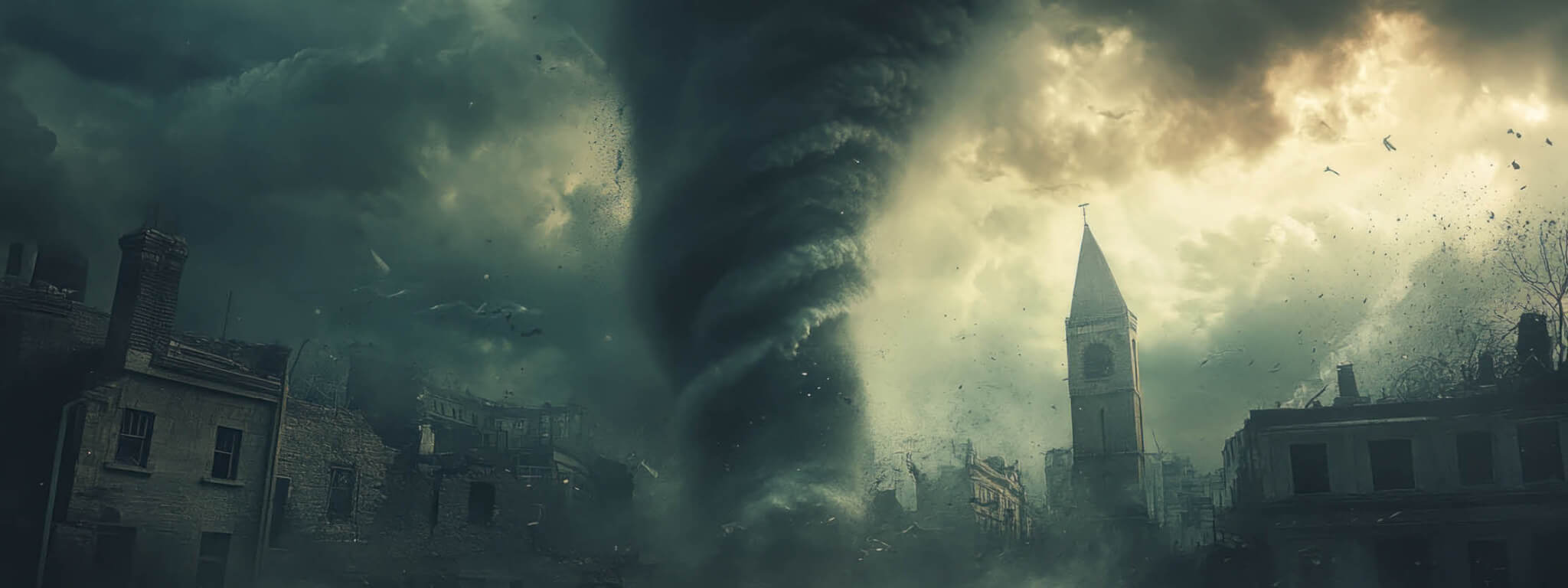
Protection Against Tornadoes
There is typically little time to react to a tornado warning, so planning must be done well in advance. Here are several design considerations, construction techniques, and preparedness strategies to enhance a building’s resilience against tornadoes:
- Architectural Design: Use a low-profile building design to minimize wind resistance. Employ solid construction methods using reinforced concrete or steel framing for added strength.
- Reinforced Structures: Strengthen roofs with additional bracing and use hurricane ties to connect roof structures to walls. Creating an interior safe room can also offer protection during a tornado.
- Window and Door Protection: Installing heavy-duty doors and using laminated or tempered glass can protect against high winds and flying debris.

Protection Against Blizzards
Blizzards bring heavy snowfall and strong winds, leading to risks such as roof collapse and ice dams. Protective measures include:
- Site Assessment: Review your site and identify locations where snow will accumulate excessively, such as at the bottom of slopes. Proper site drainage can help manage melting snow.
- Insulation and Attic Ventilation: Properly insulate the building to prevent heat loss, which can contribute to ice dam formation. Ensure adequate ventilation in attics to maintain temperature balance.
- Snow Removal Systems: Equip the building with heated roofs and drainage systems to prevent snow accumulation and ice dams. Regular snow removal from rooftops and pathways is essential to reduce hazards at building entrances where people pass below.
- Winter Maintenance: Regularly inspect roofs, gutters, and siding for signs of wear. Prompt repairs can prevent more extensive damage during winter storms. Also ensure snow is cleared from mechanical equipment, especially at fresh air intakes, exhausts and combustion air vents to ensure equipment continues to run safely.
- Much like with hurricane preparedness, building operators should review the systems and equipment included on the generator for these multiple-day storm durations. Plan for redundancies in heating systems as a failure can severely threaten the health of vulnerable occupants. It may be days before some systems are returned online if roads are impassible and repair parts and technicians are unavailable.
Be Proactive. Be Prepared.
Protecting buildings from the devastating effects of natural disasters such as hurricanes, tornadoes, and blizzards requires a proactive approach involving site selection, thoughtful design, robust materials, and emergency preparedness. By implementing these strategies, building owners can significantly reduce the risk of damage and enhance the safety and resilience of their structures against these severe weather events. Investing in protective measures is more critical than ever.
Learn more about AG Engineering.
Meet the AG Engineering Team.