
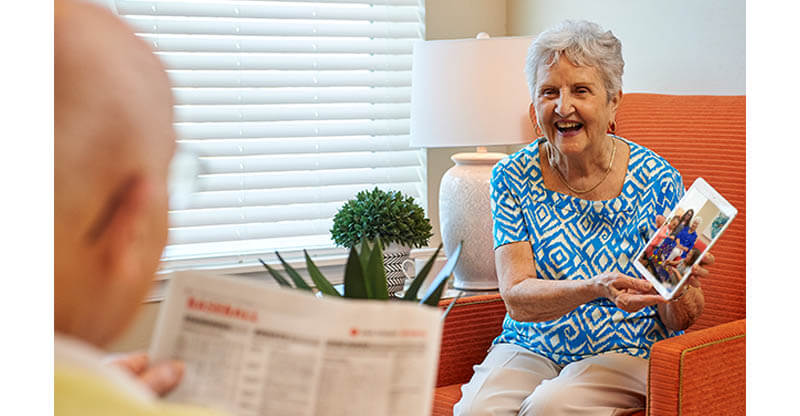
New technology is creeping into everyone’s daily life, and seniors are not being left out of this evolution. Before it was deemed smart, this technology was passive when applied to the needs of older adults. Technically speaking, senior communities had been ahead of the curve with these communication systems. Now that almost everyone carries a smartphone and being connected is an expectation instead of a luxury, it’s time to take smart tech to the next level for seniors.
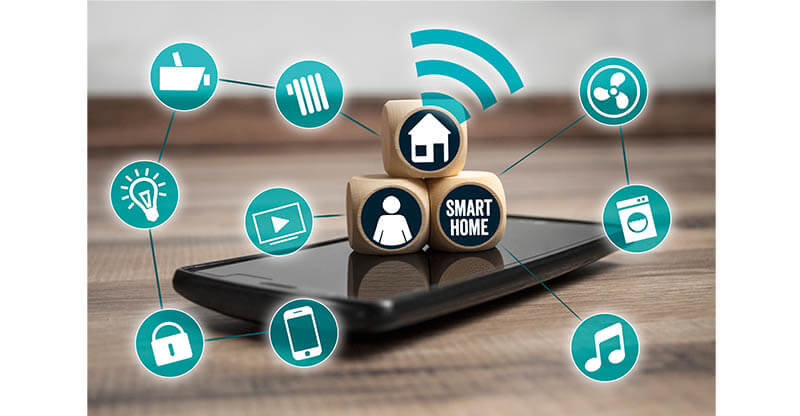
Do you think adding smart devices would be too much of a disruption, or a change of routine for them? Have you asked them?
What started as a mobile phone to stay in touch has morphed into a computer that maps, tracks, records and monitors every bit of our day and our activities. Communication has taken a back seat to data collection. Instead of people talking to each other, emphasis is now on the devices interconnecting. The phone is as much a controller or hub as it is a communicator. We turn lights on and off, adjust the thermostat, pay bills, send money to a friend, check the weather and see the person knocking on our front doors, all with a push of a button (or with a voice command). As with any new technology, it can seem to be a fad to older generations. Older adults often view these newfangled gizmos as complications, especially if there is an added cost attached. Why speak to a device to turn the lights on when you can flip a switch? Well, what happens when you can no longer reach the switch? What if you cannot reach a phone after a fall? Why open the door to a stranger? Applying this technology is becoming easier with better and faster Wi-Fi coverage. The challenge is overcoming the apprehension of the end user.
The Covid pandemic did wonders for seniors and the adoption of technology. Lockdowns and fear of going out of the home generated a need to communicate digitally. Whether pushed by younger family members checking in on loved ones, or bored and curious seniors seeking companionship and services, AARP’s report “2021 Tech Trends and the 50+,” indicates that 82% of Americans over the age of 50 rely on technology to stay connected with friends and family. The report confirms people are generally feeling more positive about using other forms of tech. Hopefully, users’ curiosity will help them find more benefits on their own and it will drive them to stay connected even as they have more freedom to get out and interact with people. Now is the perfect time to introduce new smart upgrades to their homes.
Some seniors remain skeptical of technology for fear that their personal information and identity may be stolen. Others complain about the cost—more devices, services and subscriptions eating into a monthly fixed income. Another common frustration is the complexity of setting up the system. The process to add a smart outlet to a bedside lamp may require signing up and into multiple applications, creating several accounts, multiple passwords to remember and all while hoping the signal doesn’t drop and require starting over. Even after it is running smoothly, seniors dread that day when it suddenly stops working. Then they are potentially stuck in the dark until a savvy family member or caregiver can reset and reconfigure the outlet.
A Pew Research Center analysis of technology usage by Americans over age 60 found that many would be more open to interacting with smart devices if the design of the products were more senior-friendly. These devices are often made as small as possible, with tiny buttons and displays. Many products are sold without a printed manual and require internet access to read the directions on a screen. The clapper was so much simpler, but don’t let that mentality keep you from trying to include new devices for residents. Old habits are easily changed when there are visible positive results from the alternative. Instead of assuming the latest and greatest smart devices cannot function with seniors, empower users to feel younger and tech-enabled. After all, the internet as most of us know it, the World Wide Web, was invented in 1983 by a baby boomer!

Thankfully, an industry group is working to eliminate this hassle when setting up smart devices. The Connectivity Standards Alliance is made up of over 600 leading technology companies with the goal of making all of the tech we use work smoother, easier and faster. Soon any brand of lightbulb could talk to any phone, outlet or app and their universal programming would translate as needed. As these standards become prevalent, not only does device set-up and usage become easier and more foolproof, but it reduces security risks by keeping the communication local instead of out to the greater internet. This should alleviate some anxiety if explained to the end user.
Finally, smart technology adoption should be encouraged for seniors to assist the ever-shrinking pool of caregivers. Someone who is ‘connected’ is likely to be less lonely, more engaged and mentally stimulated. This improved mental well-being can improve physical health and makes them easier to care for. No one is suggesting replacing caregivers with robots, but leveraging all the tools available can reduce the stress and fatigue of nursing staff and family members who are monitoring and looking out for loved ones.
Just as working adults with busy lives are certain to embrace these tools, seniors have shown a willingness to give them a try. If they have good support and simple, reliable connections, they will see the value added to their daily lives. It doesn’t have to be daunting or frustrating if applied thoughtfully—with the wants of the end user considered as thoughtfully as the needs of the caregiver. If you need help deciding where to start, here are a few ideas of what to do…or not to do.

12 Top & Best Smart Home Devices For Elderly in 2023 — smarthousestech.com
5 Worst Tech Gifts for Seniors (and What to Give Instead) — DailyCaring
Interested in talking about how your community infrastructure can best support new tech adoption? Contact me with questions — tjluci@agarch.com. I welcome the opportunity to talk about individual resident or community-wide needs.