
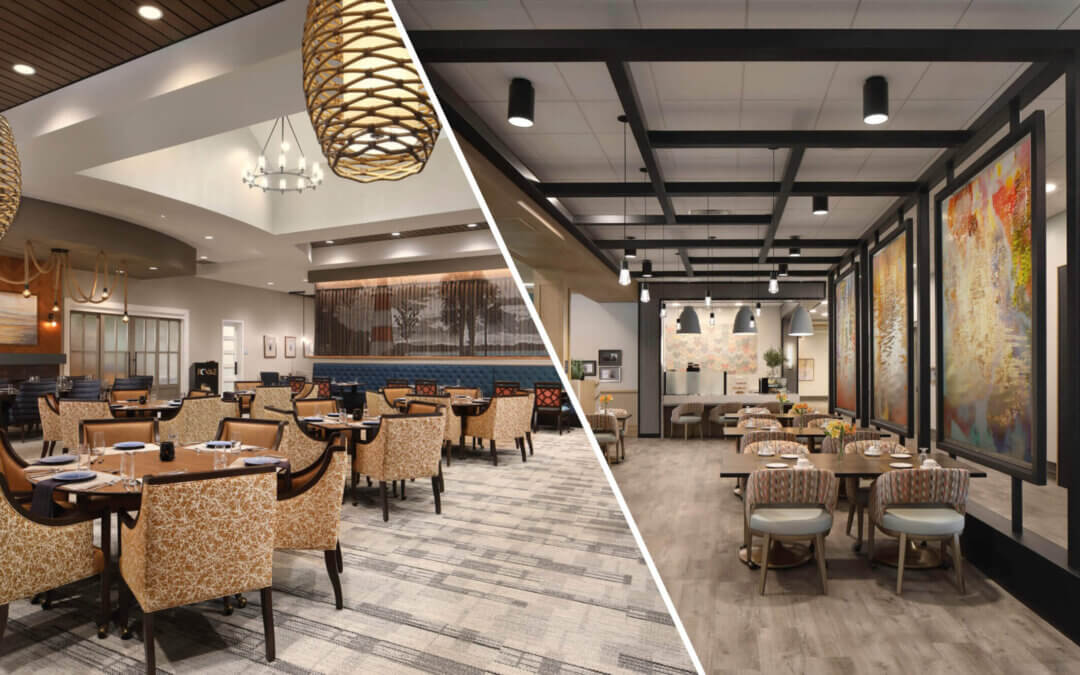
Not-for-Profit vs. For-Profit
From an architect’s perspective, the fundamental differences between not-for-profit and for-profit projects can ultimately be boiled down to time and money. These factors impact the overall design approach, including everything from collaboration and decision-making to process tools and aesthetics. Not-for-profit communities are often continuing a legacy of service. These organizations embark on strategic planning efforts, and in many cases, seek guidance from a development consultant to inform master planning endeavors leading to fundraising, financing and phased projects. Campus changes are mission-driven, and success relies on building consensus among multiple stakeholders, such as existing residents and a board of directors. A typical not-for-profit master planning process and implementation can span five to ten years and includes a pre-sales period as a requirement for financing.
In the for-profit world, time is of the essence. Time is money and money is time, so the architectural process is adjusted accordingly. Profitability and market demand drive decision-making. Speed to market is part of the model of success. A for-profit project, with a rental model, brings a senior living community from design to completion in typically less than three years.
Despite the different drivers, both not-for-profit providers and for-profit developers are guided through a comprehensive design process, contemplate design trends and evaluate multiple options. See how each determines the best path for exceptional senior living.
Architectural Philosophy and Vision
Whether introducing a new community into the market or embarking on a phased repositioning and renovation effort, enhancing daily living for aging adults drives the decision to engage in the architectural process.
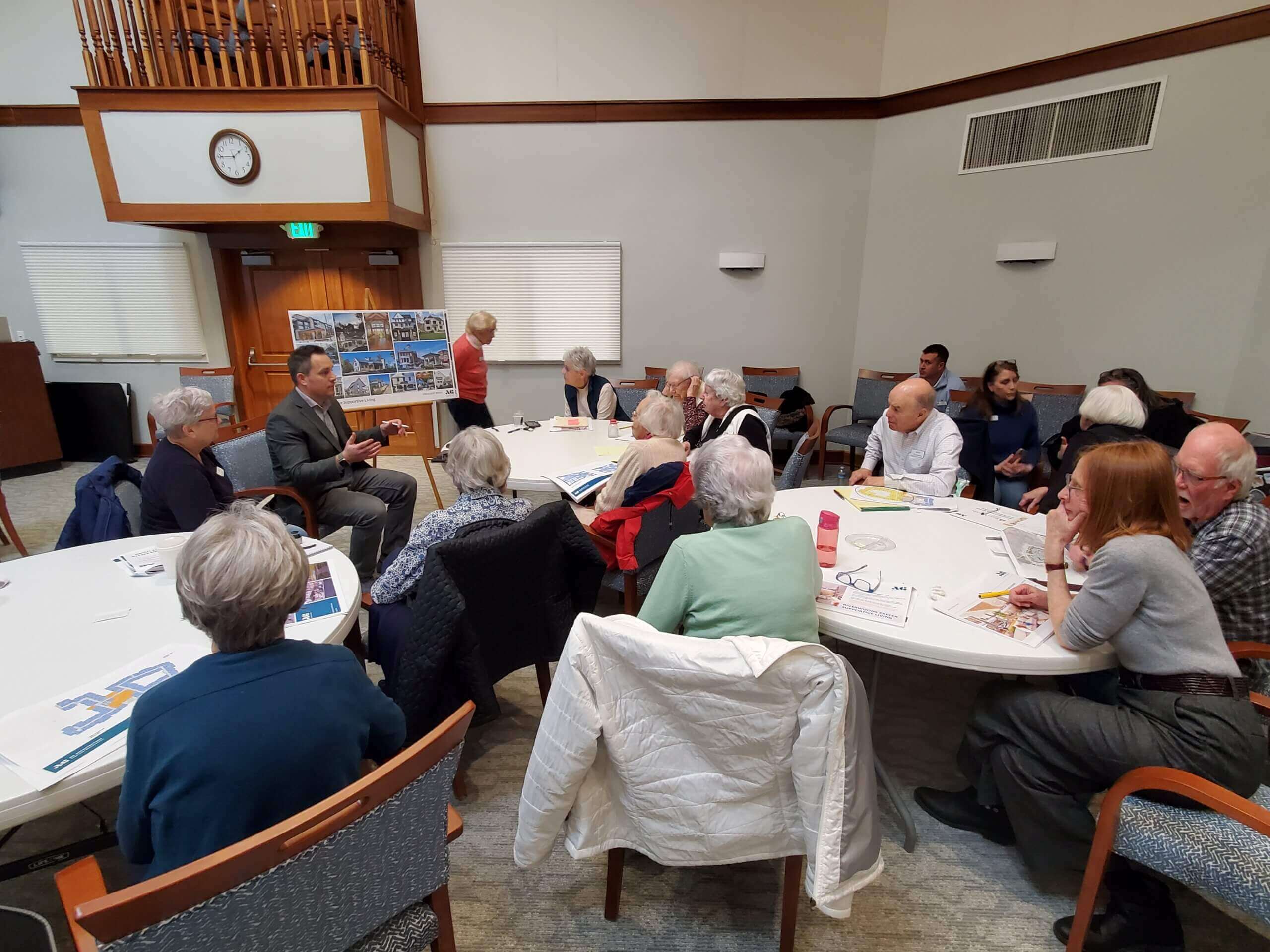
In the case of not-for-profit life plan communities, the design approach is mission-driven. The design team develops a deep understanding of the provider’s mission and values, and the process involves numerous stakeholders with varying perspectives. Due to the layers of leadership and approvals required to move a project forward, providers prefer a collaborative process that ensures all voices are heard. AG conducts a comprehensive master planning process including a design charette and focus groups. While the mission of the organization drives architectural concepts, AG integrates design trends that add value and position the community for future success. Presentations to resident groups and the board build consensus around the concepts that prioritize resident well-being and community engagement. The team relies on a variety of tech tools to work through iterations of concepts quickly during the two-day charrette process. Being immersed in the creative process helps stakeholders see why some ideas work and others don’t. This interactive process garners excitement for the concepts that emerge.

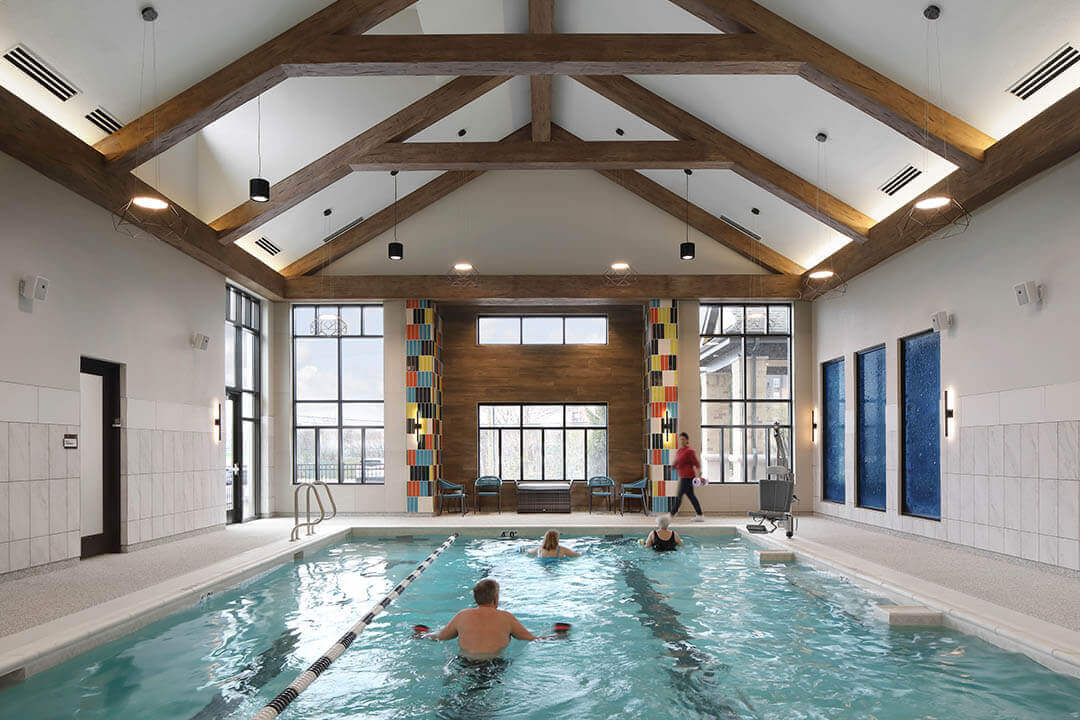
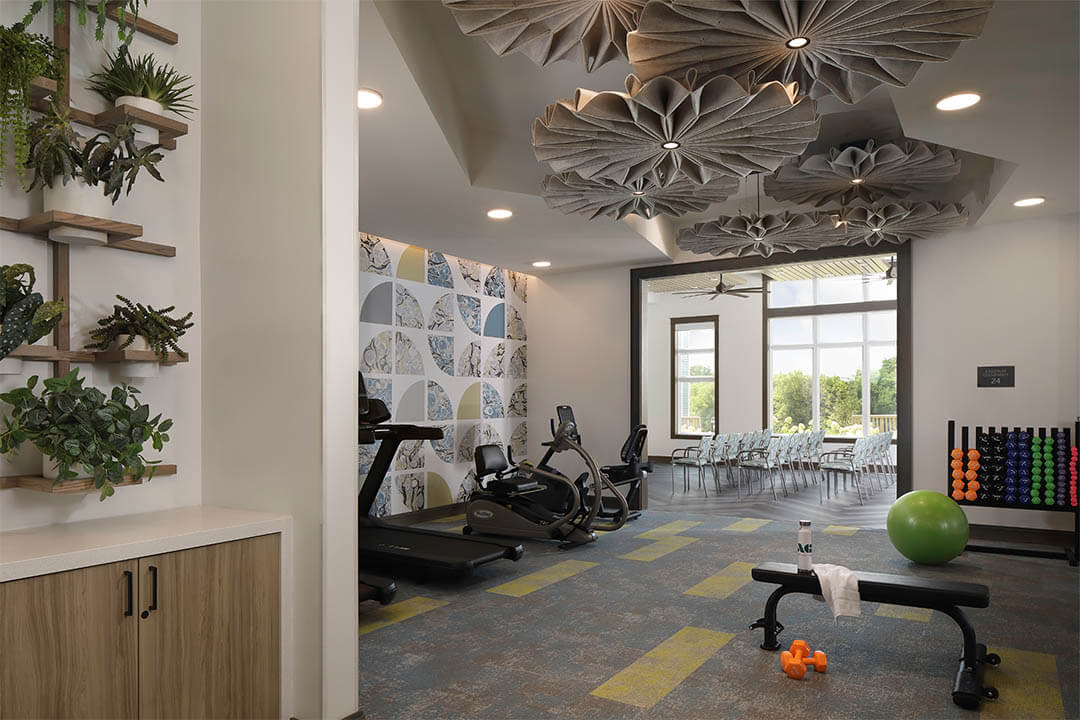
Regarding space planning and amenities, both not-for-profit and for-profit communities are currently prioritizing health and wellness features.
The integration of amenities in not-for-profit communities aligns with the community’s mission and values. The design process focuses on inviting communal spaces for social interaction and wellness activities. Provider’s programs continue to look beyond fitness spaces to address multiple dimensions of wellness, including spaces to support lifelong learning, the arts and cultural activities.
For-profit developments aim to optimize the plan with revenue-generating spaces while maintaining resident comfort. Market demand and profitability inform amenity selections. Currently, wellness components attract potential residents and provide opportunities to drive profitability. Therefore, the design team explores the integration of the multiple wellness components into design concepts.
From government and healthcare to education and multifamily, specific sectors have prioritized sustainability practices. While discussed in senior living, budget limitations often mean environmental considerations are value-engineered out of a project. The evolving senior demographic demonstrates increasing interest in sustainable practices at senior living communities resulting in deeper conversations with providers and developers.
In the case of for-profit developments, the design team is tasked with balancing sustainability initiatives with budgetary constraints and profit goals. The implementation of cost-effective green technologies helps enhance marketability. Often this means attention to sustainable features in visible locations over purely functional elements.
Aesthetics and Architectural Identity
Context informs the architectural identity and design details of a project. Looking closer at senior living communities, a not-for-profit or for-profit mentality provides varying sources of contextual inspiration.
Architectural elements at not-for-profit communities reflect the provider’s values and identity. Precedent studies, local materials and visual elements that tie into the greater community inform the overall design. The thoughtfully curated design aesthetic creates a sense of belonging and encourages purposeful living.
In for-profit developments, the architectural identity balances market appeal with a uniqueness that differentiates the property within the greater community. Furthermore, marketing plays a key role in decision-making, from brand alignment and on-trend elements to target demographics. The design details need to attract the target audience and reinforce the brand.
In the effort to elevate senior living, regulations often challenge teams to find ways to comply or advocate for adaptations to improve care and quality of life for residents.
Not-for-profit communities look for ways to adhere to regulatory standards while preserving the community’s vision and mission. Providers will challenge regulations that impact resident wellness and propose improvements to the regulatory system in the best interest of current and future residents. AG has worked with numerous providers to design spaces to support their desired care model, environments that support their mission, and resident lifestyle. These explorations include how to move away from structured care settings in favor of more service offerings that enable aging-in-place experiences. For example, AG has helped Wisconsin providers develop environments with a floating Resident Care Apartment Community (RCAC) design to meet regulations while pushing the envelope on care and service delivery. Architecture provides the solution for the desired function.
On the other hand, in for-profit developments, teams need to balance design innovation with regulatory constraints to meet profitability targets. AG proposes zoning or regulatory changes when the impact is negative to the business model. Furthermore, the team focuses on operational efficiencies which provide a healthier bottom line.
Exceptional Senior Living
Whether you are a not-for-profit provider or a for-profit developer, there is a path to achieve exceptional senior living. Out-of-the-box not-for-profit and for-profit thinkers keep a keen eye on project successes on both sides and apply beneficial elements that address market demands, elevate the resident experience and offer desirable financial outcomes. Today’s market is seeing innovative site solutions, amenity offerings and other applications of these best practices. AG relishes the opportunity to provide vision, build consensus, bring certainty and predictability to the process, and achieve project success with not-for-profit and for-profit clients.
Explore AG’s portfolio of not-for-profit and for-profit exceptional senior living projects.