
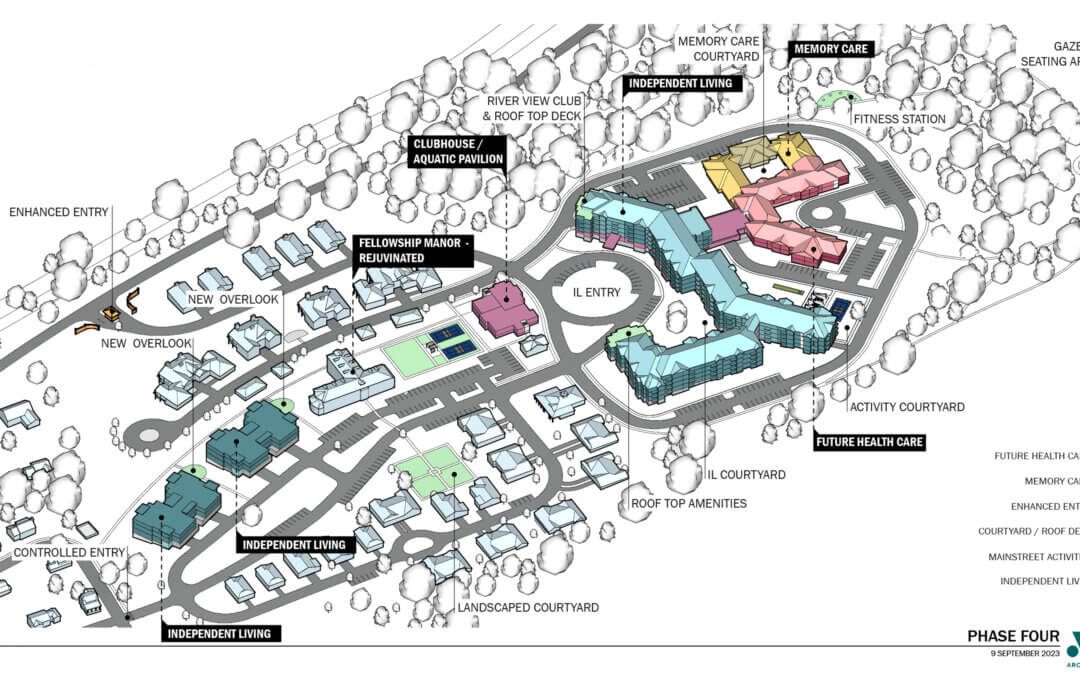
The senior living industry understands change. Year after year, the evolving senior living target market challenges communities to meet and exceed ever-changing resident and family expectations. Since 2020, every aspect of senior care has been questioned and tested. Communities, now more than ever, face addressing the lifestyle demands and healthcare needs of a wider spectrum of ages and care levels.
Does your community offer the brand, lifestyle, services, and housing options your market is looking for?
How can senior living providers rise to these challenges and pave the way for success? The answer is proper planning. While the world and economy may cause community leaders and boards to feel the need to pause, watch, and wait, the best strategy is to plan ahead to be poised for action.
Staying a Step Ahead
Experienced providers and developers maintain a keen eye on their target markets and resident demographics. Some watch for opportunities to expand their brand, others identify missing pieces in their community offerings, and some look to double down on their reputation for a particular level of care. Whether exploring opportunities or responding to business challenges, such as decreased occupancy rates, low resident satisfaction scores, loss of market share, and loss of potential sales, a community needs a future-focused strategic plan.
When it’s clear that it’s time to leverage an opportunity or take advantage of market conditions, communication is key to building consensus among decision-makers and achieving buy-in from the community. Collaborative planning efforts help unify teams, allowing voices to be heard and supporting collective decision-making.
Investing in a strategic planning initiative provides the business framework to guide an organization. It uncovers important data and outlines goals and expectations. A strategic plan points communities in the right direction and lays the groundwork for developing a master plan. Engaging in a master planning process helps organizations envision the evolution of a campus—how it looks, feels, and successfully operates today, tomorrow, and beyond. In short, a master plan provides a road map to guide the strategy from vision to reality. Together, a well-considered strategic and master plan better prepares community leaders to pivot as the market throws challenges their way.
The State of the Physical Plant
Assessing the current state of a campus infrastructure provides vital information for both strategic and master planning initiatives. Without taking a hard look at the physical plant of the community as it stands, it’s hard for the leadership team to have the data necessary to address capital reserves and make informed decisions to proactively plan for the future. What should be done with each building on campus in the next 3, 5, or 10 years? The historical significance of a building to the campus and other emotional concerns may play a role. Ongoing maintenance, efficiency, and marketability can also impact these decisions. What needs to be repaired, renovated, repositioned, and replaced?
AG’s Programmatic Approach
A strategically phased master planning process provides community leaders with the information necessary to make decisions with certainty and predictability. At AG, we lead the designated team through each phase and initiate a go/no-go analysis before transitioning from one phase to the next. We want to make sure everyone is on the same page and ready to move forward.
While the community decision-makers have gone through considerable effort to get to a point where they are ready for a master plan, it is important to remain open to the possibilities of the process and not focus on a preconceived end result.
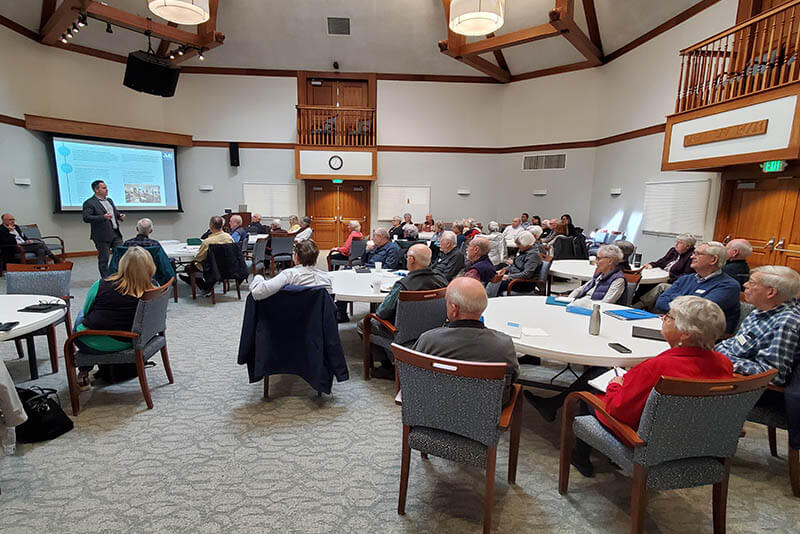
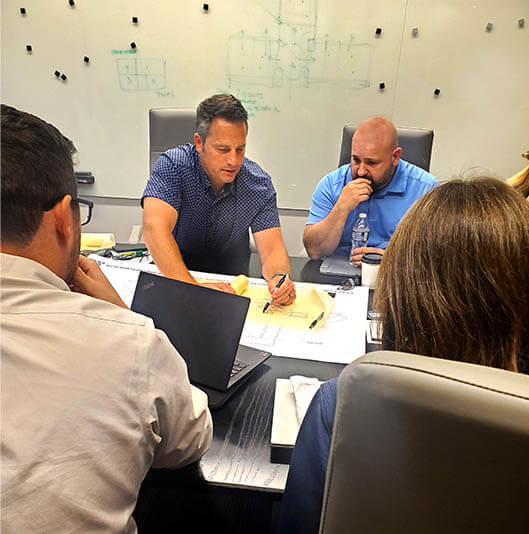
As the architectural team guiding the process, we value institutional knowledge. We take time to establish a shared understanding of a community, its legacy, and the projected future. We conduct our own information-gathering and then we focus on listening. The AG Team values input from key stakeholders—residents, families, management, board members, and staff. These focus groups inform the creation of programming documents and design principles specific to a community. This information gathering culminates in a design charrette where conceptual design solutions are prepared to optimize the function, use, and impact of the property. This is an exciting and engaging process where leadership, planning partners, and key stakeholders explore the possibilities and build consensus on a range of solutions that best fit the planning goals and objectives of the team and broader community.
This collaborative master planning process will reveal the best path forward and identify ways to solidify a community’s unique position in the marketplace.
A 21st Century Community
No matter what shape or form a community takes, there are distinct design considerations resonating in today’s senior living market. The master planning process reveals the right design choices for a community—the must-haves that will satisfy existing residents and attract new ones and the decisions that will achieve strategic planning goals. The following highly discussed design considerations inform our master planning initiatives across the country.
CHOICE
Residents want things their way. Having the ability to choose what they do, how they entertain themselves, and when and where they eat are essential components needed to allow residents to customize their experience.
Do your residents have opportunities to make choices and live life their way?
HOUSING OPTIONS
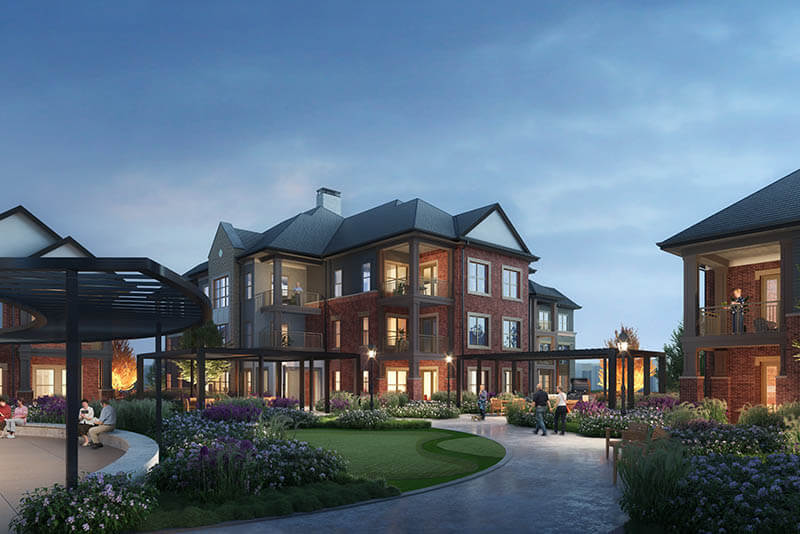
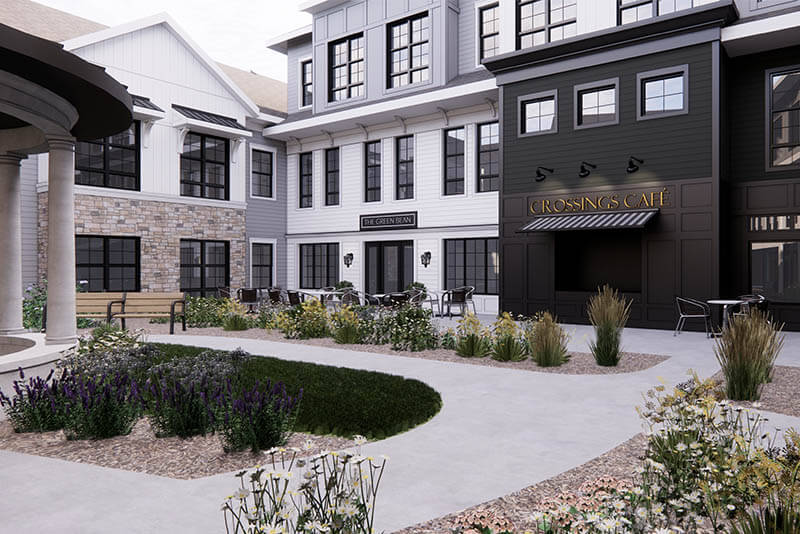
From cottages and congregate apartments to walk-up townhomes, savvy seniors are looking for the right setting to suit their lifestyle. This includes a variety of floor plans too. The lines continue to blur between multifamily and senior living architecture.
Does your community offer a variety of housing options to appeal to a diverse demographic?
HOSPITALITY
When it comes to resident care and service, a hospitality mentality, as opposed to a care mentality, continues to lead the way. Residents want the feeling of a concierge experience and a sense of service that is integral to the culture. When this is truly integrated, people will feel the difference. They want to know they are living their best lives.
How does your community create a feeling of hospitality?
HEALTH SERVICES & AGING IN PLACE
More than ever, the senior living market is driven by the concept of aging in place. Communities continue to explore what that means across every level of care. In Independent Living (IL), this translates to adding more services, allowing residents to stay in their cherished homes as long as possible. Meanwhile, Assisted Living (AL) residents want to receive the care they need in an apartment setting, not a clinical room. The most successful designs elevate the hospitality appeal of AL units while incorporating safety, accessibility, and service amenities. Options for skilled nursing settings also continue to be explored, with some now positioned as short-term rehab environments.
Can your residents receive the care they need in the home they love?
WELLNESS
A wellness-focused lifestyle is an expectation, and the bar is set high. Residents want to maintain a healthy lifestyle. The definition of wellness goes beyond physical aspects to include occupational, educational, social, intellectual, spiritual, and emotional. Whether a designated fitness center, life-long learning programs with a local university, cultural centers, or state-of-the-art rehab facilities, a community’s approach to overall wellness can be a true differentiator.
How does your community support resident wellness?
WORKPLACE SATISFACTION
As communities continue to face staffing challenges, leaders are looking for creative ways to attract and retain high-quality staff members. Creating staff-focused amenities can be a differentiator in a tight labor market. From thoughtful indoor and outdoor spaces for staff to relax to sharing access to community amenities as employee perks, the importance of investing in enhancements that improve staff morale and satisfaction can’t be overstated.
Do you offer an exceptional work environment to support recruitment and retention?
FLEXIBILITY & EFFICIENCY
High construction costs and a challenging financial landscape have raised the bar on creative problem-solving. Organizations need master plans and space planning solutions that consolidate programming needs and maximize adjacencies. How can spaces flex to meet a variety of needs and functions? How can buildings be organized, or service corridors and kitchens be planned to allow staff to seamlessly travel and efficiently work across levels of care?
How does your community maximize flexibility and efficiency?
A Road Map for Success
For forward-thinking providers committed to transcending market expectations, a Master Plan is a Road Map for Success. It guides communities through a designated point in time with a certain level of flexibility to respond appropriately to new market and economic developments. A good plan addresses opportunities to make improvements at different levels and the right plan is championed by all levels of an organization. Happy existing residents, satisfied staff, and a waiting list of new residents eager to move in prove the process worked.
Learn how AG helped revitalize the Plymouth Place Senior Living campus while introducing housing options attractive to an evolving consumer base.
For more information on the AG Master Planning Process, contact Katie Miller – kmiller@agarch.com.